In India, on-grid solar is becoming popular, not only for environmental reasons but also for economic ones. As a homeowner, you can reduce your electricity bills with on-grid solar panels.
But choosing the right on-grid solar panel system from many brands, grid connection types, products, and features in a rapidly growing sector can be difficult. You may feel overwhelmed and unable to make a choice. This blog post highlights four essential questions to consider before spending money on on-grid solar panels for your home.
Is my house suitable for on-grid solar panels?
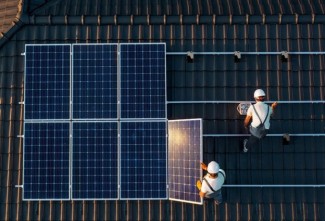
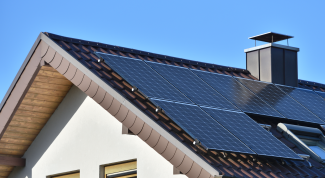
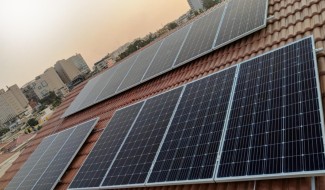
Evaluating your roof’s available space and structural stability is crucial before purchasing panels. Ensure that your roof is stable, undamaged, and has enough space to accommodate the panels. The available space should exclude vents, eaves, or other obstructions. Also, examine your roof for long durations of time to see if surrounding trees and buildings cast shadows, which can hamper the efficiency of your solar panels.
How much on-grid solar power do I need for my house?
On-grid solar power is a great way to save money and reduce your carbon footprint. But, on-grid solar works only when the grid is up – yes, you cannot use the power from on-grid solar panels when the grid is down. When the grid is up, appliances will continue to get power from your panels and the grid (if required).
Therefore, to calculate the on-grid solar power suitable for your home, you'll need to consider three things:
- The sanctioned load for your home. If you have 7KW of authorised load, make sure to choose a system that is less than or equal to this number
- The amount of money you are willing to invest
- The estimated savings on the electricity bill that you're looking for with an on-grid system.
How many solar panels do I need?
Once you have determined your solar energy requirement and your home's suitability for solar panels, you should calculate the number of panels. The Enphase System Estimator is an online tool that provides a free estimate of your optimal solar system size per your home’s location and electricity bill. Based on your average monthly electricity bill, the Estimator will help you calculate the following:
- Size of your home solar panel system
- Estimated savings over the next 25 years
- Approximate cost of the system, including installation
- New electricity bill amount (approximate)
- Time required to recover an investment
Which is the best solar panel inverter?
A solar panel is as good as its inverter. String and microinverters are the most common solar panel inverters available to homeowners today. A string inverter performs as well as the solar panel’s least-efficient panel. So, if one panel fails, the entire solar panel system fails. It is not the case with microinverters—if one panel stops functioning, other panels continue performing to their full potential. This is because microinverter systems do not have a single point of failure.
Enphase IQ Microinverters offer the most advanced inverter technology, which means higher production, greater reliability, and unmatched intelligence. As a result, we have shipped more than 30 million solar microinverters worldwide.
Purchasing solar panels is a big decision. Our energy specialists provide end-to-end assistance, from order placement to installation and support when you go solar with Enphase. In addition, we have covered four common questions when homeowners consider an on-grid solar panel system. If you have additional questions, contact Enphase, and our specialists will help you.