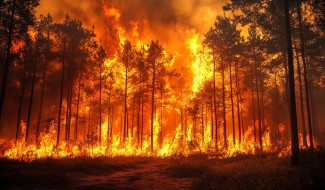
Each year, wildfires burn millions of acres across the United States, especially in the West. But the flames aren’t the only threat. Wildfires are increasingly disrupting significant infrastructure, including the electric grid. As the 2025 wildfire season approaches, more homeowners are thinking beyond evacuation plans.
They’re beginning to consider what happens when the grid goes down—during a heatwave with no way to cool the house, when the lights go out, phone lines and emergency alerts go silent, or when refrigerated food and medication start to spoil. That’s when home energy independence becomes more than just a convenience, it becomes a necessity.
How wildfires threaten grid reliability
Wildfire seasons are getting longer, more intense, and more destructive. According to the U.S. Environmental Protection Agency (EPA), the average area burned by wildfires each year in the U.S. has more than doubled since the 1990s. And in 2023 alone, wildfires burned over 2.7 million acres across the country, according to the National Interagency Fire Center.
In some recent years, wildfire damage has exceeded 10 million acres, highlighting how unpredictable and devastating these events can be. And it’s not just wildfires—hurricanes, severe storms, and even routine maintenance can knock out power, making grid reliability an ongoing concern across the country. These growing risks don’t just threaten forests, they also strain our electric grid. To reduce the risk of fires caused by utility lines, power companies now implement Public Safety Power Shutoffs (PSPS)—planned outages that can last for hours or even days. While these are meant to keep communities safe, they often leave families in the dark with little or no warning.
The traditional electric grid wasn’t designed for the challenges of a warming climate. Long-distance transmission lines are vulnerable to high winds, lightning, and falling debris, especially during fire season. And when the grid fails, so does access to lighting, refrigeration, medical equipment, clean water, and even communication. Power outages during extreme heat can be especially dangerous for older adults or people with medical needs. Emergency alerts and phone lines may go silent, and food safety becomes a concern when refrigerators or well pumps stop working.
What energy independence really means
Energy independence means your home can keep running even when the grid goes down. And it’s not just about avoiding inconvenience. It’s about staying safe, informed, and functional during uncertain events.
A resilient home energy system typically includes solar panels that generate electricity during the day when the sun is out, and a home battery that stores extra energy for use at night or during outages—making it especially useful during multi-day outages when the grid remains down, since the battery can recharge each day with solar power. With the help of smart energy management, your system can automatically prioritize which appliances get power, making sure your most essential needs are covered during an outage.
It’s important to know that not all solar systems provide backup during outages. To stay powered when the grid is down, your system must include a backup interface—like a system controller or a neutral-forming transformer—and be configured for energy storage and critical loads. You’ll also want to size your battery based on your household needs, so you have enough stored power to run essential items for as long as you need.
Some systems, like those using grid-forming technology, can even create a home microgrid. This allows your home to operate independently from the utility grid entirely, with a seamless transition when the power goes out. With the right setup, your home stays lit, your fridge stays cold, phones stay charged, and medical devices continue working—no matter what’s happening outside.
Building resilience at home
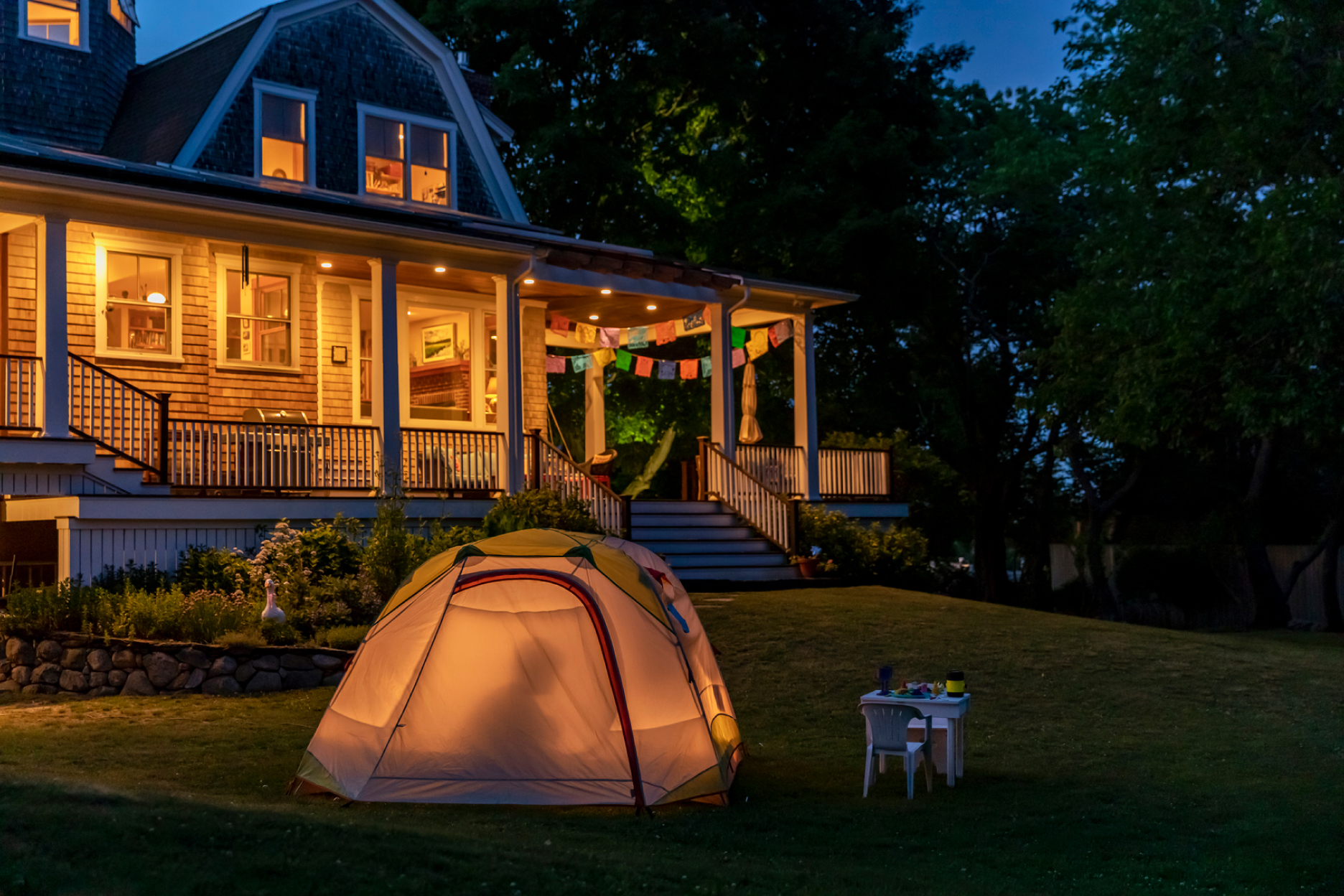
More homeowners are preparing for the unexpected. In California alone, over 1.5 million homes now have rooftop solar, and more are pairing it with battery storage for added protection. And in situations where installing rooftop solar or a home battery isn’t possible, portable energy systems offer a clean, quiet, and fuel-free alternative. Designed to run on sunlight alone, these compact and weather-resistant units are easy to move and quick to set up, making them a practical backup solution when the grid goes down.
Across the U.S., new programs and incentives—like the Inflation Reduction Act and state-level rebates—are making solar and battery systems more accessible.
Beyond resilience, home energy systems also provide everyday value. They help lower electricity bills by optimizing for time-of-use rates and increasing self-consumption, so you use more of the energy you generate.
Even if you rent or live in a shared building, there are still options. Community solar, portable battery units, and local backup hubs can help keep you connected when it matters most. If you’re just getting started, here’s a helpful guide on how to go solar.
You deserve reliable power, no matter the season
Wildfires may be part of our future, but blackouts don’t have to be. With the right home energy system, you can stay powered, protect your family, and reduce your grid dependence.
At Enphase, our Solar + Storage systems are built for resilience—keeping your home running safely and intelligently, even when the grid goes down.
Frequently Asked Questions (FAQs)
Yes, many existing solar systems can be retrofitted with a battery, but it depends on your current setup. To stay powered during outages, you’ll also need a backup interface and the right configuration for critical loads. Consult your installer to understand compatibility and upgrade options.
It depends on the size of your battery and what you’re powering. A well-sized battery can run essential loads—like lights, fridge, Wi-Fi, and medical devices—for several hours or even days, especially if paired with solar panels that can recharge it during the day.