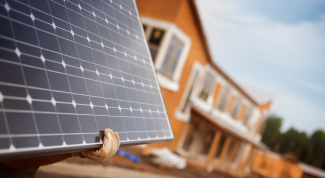
With the continued decline in solar system prices and rising electricity costs across the U.S., more homeowners are evaluating whether solar still makes financial sense in 2026. While solar installations still involve upfront costs—often ranging from $14,500 to $22,000 for a typical six-kilowatt system—long-term electricity savings, state-level incentives, and local programs continue to play an important role in improving solar’s overall value.
This guide explains which solar tax credits and incentives are available in 2026, what has changed since prior years, and how homeowners should evaluate solar investments today.
Solar tax credits and incentives in 2026: What changed
The federal solar investment tax credit (ITC), later known as the Residential Clean Energy Credit, previously helped many homeowners reduce the upfront cost of going solar. However, for homeowner-owned systems installed after December 31, 2025, the federal solar tax credit is no longer available.
As a result, homeowners planning solar in 2026 should evaluate their investment based on upfront system pricing, available state or local incentives, electricity bill savings, and the long-term value of producing their own energy—rather than federal tax benefits.

How homeowners claimed the solar tax credit
Note: This process applies only to homeowner-owned systems installed and paid for before December 31, 2025.
You can claim the federal solar tax credit by filing IRS Form 5695 with your tax return. Here are the specific steps you should follow to claim the federal solar tax credit:
- Download IRS Form 5695 from the IRS website.
- Choose “qualified solar electric property costs” when filling out the form. Determine the system costs and complete the calculations as instructed.
- Enter the resulting number on the appropriate line and find out if you have any restrictions on your tax liability. You can verify that information by using the IRS Residential Energy Efficient Property Credit Limit Worksheet. Complete the calculations.
- Take the resulting number and enter it on Form 1040 in the appropriate place.
Enphase suggests that you consult with a tax preparation expert to make sure you maximize your credit.
State-level solar incentives
State-level solar incentives may further help you reduce the costs of installing solar on your home or business. Though most states have incentives in place—though not all, unfortunately—some of the states with high solar incentives include:
- California
- New York
- Texas
- Minnesota
Check with your state’s energy department to see which solar incentives are available. Here are a few common ones of which you might be able to take advantage. Keep in mind that the acceptance of some of these incentives may affect how total system costs and savings are calculated, depending on program rules:
Utility company solar rebates
Rebates you receive from your utility to install a solar system are not considered taxable income when you go to file your federal returns. They will decrease your federal solar tax credit as the rebates reduce the cost of the system installation.
State government rebates
In general, rebates from state governments will not affect your federal solar tax credit because they don’t often lower the overall cost of the system.
State tax credit
State tax credits don’t usually have an impact on federal credits, and federal credits don’t usually affect state credits. The state tax credit, however, will reduce the amount of state tax payments you can deduct from your federal taxes. As a result, your federal taxable income will be higher, and the amount of your refund may be reduced.
Solar Renewable Energy Certificates (SRECs)
The process for obtaining SRECs varies by state. Typically, you’ll need to register your solar system with the appropriate SREC-granting authority, which will then track your renewable energy production and periodically issue SRECs based on how much energy your system produces. The more energy your system produces, the more SRECs you’ll get. You can then sell your SRECs to your local energy utility, which uses them to fulfill its obligations under state-mandated renewable energy targets.
The six states that have active SREC programs include New Jersey, Massachusetts, Pennsylvania, Maryland, Delaware, and Ohio. SRECs are also available in the District of Columbia.
Depending on your state and desired level of involvement, There are different ways to take advantage of your SREC. If you believe you have a sophisticated enough understanding of your state’s SREC market, you can certainly sell them yourself. Most homeowners, however, prefer to rely on the services of an SREC aggregator to maximize the value of their SRECs. Or, some states like Illinois, through its Illinois Shines program, primarily rely on solar installers or approved vendors to monetize RECs on a homeowner’s behalf.
Like the stock market and owing to supply and demand, the values of SRECs can vary significantly from state to state and even within states, depending on market conditions. Make sure you stay updated on the latest SREC prices in your area as they have the potential to reduce your solar payback period significantly.
To see the latest state solar incentives available to you, the North Carolina Clean Energy Technology Center created a valuable, searchable database of incentives by state. Visit DSIREUSA.org and start searching.
Important information as you examine which solar incentives are available to you
Because solar financial incentives aren’t all administered by the same agency, trying to figure out which ones you qualify for can be confusing. When you install your solar panel system, ask your installer for guidance regarding the financial incentives available to you. You should also talk to your accountant or another financial professional about deductions you might qualify for. Know the advantages and disadvantages of solar leasing vs. buying to make your decisions easier.
Find an installer
If you’re ready to make the jump to solar, contact a certified installer today.
Solar tax credits and incentives FAQs
Yes. While the federal solar tax credit previously reduced upfront costs, many homeowners still find solar worthwhile based on long-term electricity bill savings, rising utility rates, and energy independence. Over the typical 25-year lifespan of a solar energy system, avoided utility costs can deliver meaningful savings even without federal incentives.
No. If you don’t have a tax liability, you can’t take advantage of the federal solar tax credit.
Note: This applies only to systems installed before December 31, 2025.
Once. You can only claim the solar tax credit the year you install—not purchase—the solar system. If you’ve installed a solar system and taken the tax credit, that is the only time you can take it.
Note: This applies only to systems installed before December 31, 2025.
There is no income limit for the federal solar tax credit, but you must have enough tax liability to claim the full credit.
Note: This applies only to systems installed before December 31, 2025.
Yes. You may claim the residential clean energy credit (formerly known as the federal solar tax credit) if you own the solar system and install it on your main home—whether you own or rent the property. If you rent, you must also have written authorization from the property owner to install the system, and you must own the system outright (not lease it).
Your main home is generally the place where you live most of the time, and the credit applies to both new and existing homes located in the United States.
Note: This applies only to systems installed before December 31, 2025.
The simple answer is no. The federal solar tax credit is non-refundable, so it does not roll over into a refund if it exceeds your tax liability. It’s important to understand that you can carry over any unused amount of the tax credit to the following tax year.
Note: This applies only to systems installed before December 31, 2025.
It depends. If the replaced roof is made up of traditional roof materials and structural components that are only roof, then you can’t claim the credit. On the other hand, if you install solar roofing tiles and solar roofing shingles that both power the home and serve as a roof, then those may qualify. These requirements are constantly being updated, so you should check the Treasury Department’s website frequently for more information.
Note: This applies only to systems installed before December 31, 2025.
No. Only the taxpayer who owns the solar system and uses the property as their primary residence can claim the federal solar tax credit. If someone else lives there or you don’t own the system, you will not be eligible for it.
Note: This applies only to systems installed before December 31, 2025.
Yes. It can either be used to offset the federal income tax or the alternative minimum tax, whichever applies to your specific situation.
Note: This applies only to systems installed before December 31, 2025.
Yes. Assuming your builder didn’t claim the tax credit when they built the house, your array is eligible for the federal solar tax credit for the year you moved into the house. In the example above, that means the solar system is eligible for the current tax year.
Note: This applies only to systems installed before December 31, 2025.