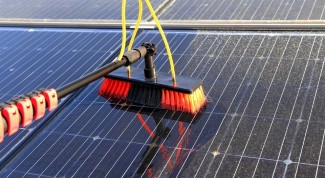
Why solar panel recycling is more important than ever
Many homeowners in the U.S. are switching to solar, which is great news for clean energy. But there’s one big question we don’t talk about enough, what happens to all those solar panels when they reach the end of their life, usually after 25 to 30 years?
As solar adoption grows, so will the number of old panels that need to be removed or replaced. If not handled properly, these panels could end up in landfills, where some of their materials can be harmful to the environment. Recycling helps avoid that. It cuts down on waste and supports a more sustainable solar industry.

The growing challenge of solar panel waste
While solar panels do not suddenly stop working after three decades, their efficiency declines to about 80% of their original capacity. Many homeowners choose to upgrade to newer, more efficient systems, resulting in large amounts of decommissioned panels. It's estimated that by 2050, the U.S. could generate up to 10 million tons of solar panel waste and globally, this number could reach 80 million metric tons, making up 10% of all electronic waste by 2050.
Currently, the lack of streamlined recycling solutions means that many panels are simply discarded, despite being made of highly recyclable materials. The good news? Recycling processes are advancing, and understanding how solar panel recycling works can help homeowners contribute to a more sustainable future.
Extending the life of solar panels
Just because a solar panel is out of warranty after 20 or 25 years doesn’t mean it stops working. In fact, many panels still generate 70–80% of their original output even after 30 years. While they may no longer be ideal for powering an entire home, they can still be put to good use in off-grid cabins or farms, schools, community projects, or even donated for disaster relief.
Used panels are often resold at lower prices, giving budget-conscious users access to clean energy. They also make great tools for training programs or smaller systems like irrigation pumps and backup setups.
By extending a panel’s life through reuse, we keep it out of landfills longer and make solar energy more affordable and accessible. It’s a practical way to reduce waste and get the most value out of every panel.
How solar panels are recycled
Recycling solar panels isn’t simple as they’re built from multiple layers of materials that are tightly fused together. Still, there are a few main methods that are used today:
Mechanical recycling
When a panel can’t be reused, it’s taken apart to recover its main components. The process usually starts by removing the aluminium frame and the junction box, which can both be recycled separately. Then the glass layer is separated from the silicon cells, often using cutting or crushing machines. Since glass makes up most of the panel, it’s the material that gets recovered most often. Aluminium and wiring are also collected, although glues and plastic coatings can make the process a bit tricky. Overall, mechanical recycling can recover over 80% of a panel’s materials.
Chemical and thermal recycling
For a more thorough recovery, chemical and thermal methods come into play. Thermal recycling uses high heat to burn off plastic layers and adhesives, making it easier to extract metals like silver and copper. Chemical recycling, on the other hand, uses solutions to dissolve the silicon cells and isolate valuable materials. These advanced methods can recover up to 95% of a panel’s materials, but they need specialized facilities and cost more than mechanical recycling.
Each method has its strengths, and in most cases, a mix of both may be the best way to handle solar panel waste efficiently.
What parts of the solar panel can be recycled
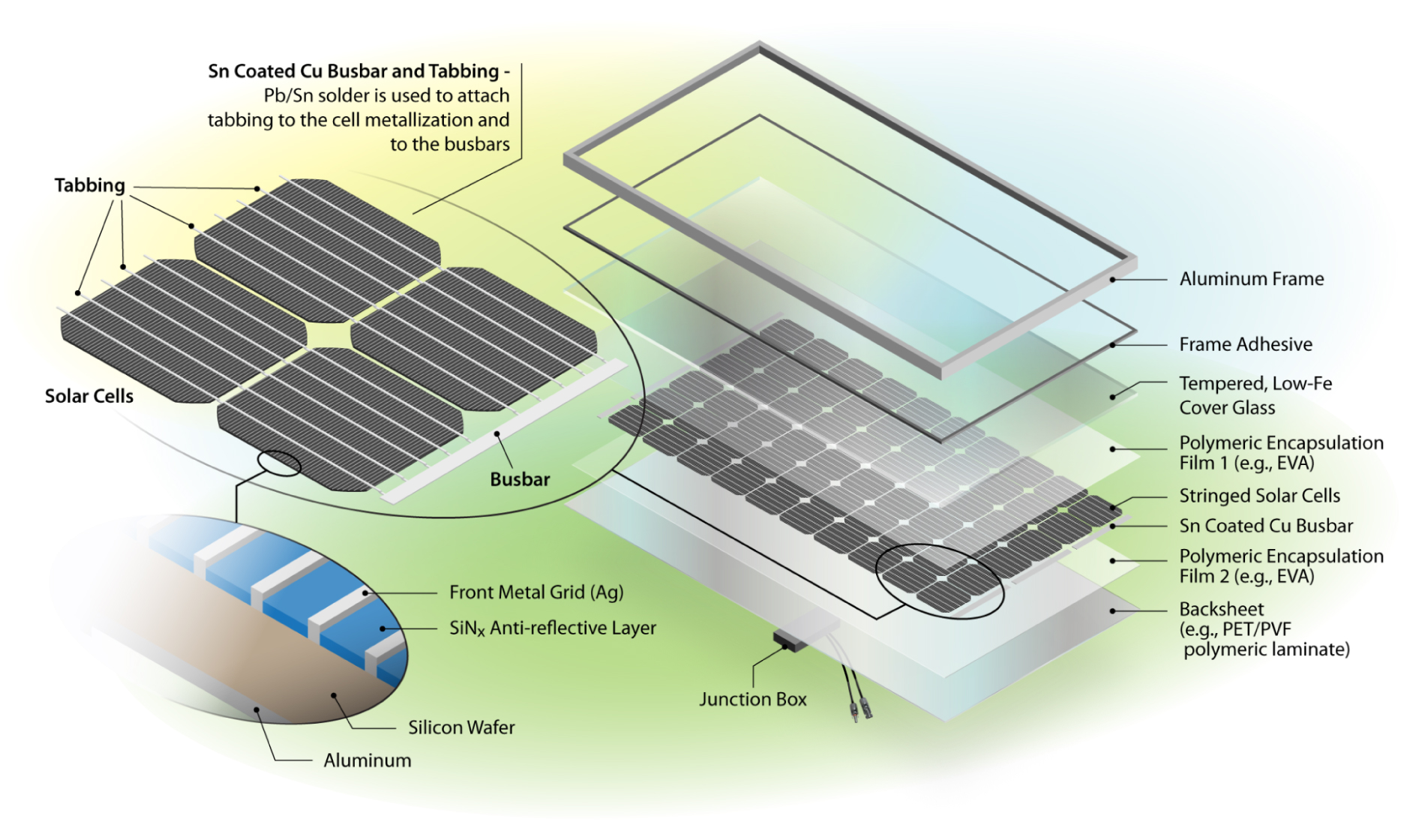
Solar panels consist of several valuable components, and about 80% of a solar panel’s weight is recyclable.
- Silicon solar cells: The core of solar panels, these can be melted and repurposed.
- Aluminium framing: Easily recyclable and reusable.
- Glass sheets: Can be recovered and repurposed for new panels.
- Copper wiring: A critical material in many electronic products.
While some elements, like silicon wafers, require specialized recycling techniques, nearly every component of a solar panel has the potential for reuse if proper processes are in place.
Challenges in solar panel recycling
Recycling solar panels comes with real benefits, but it’s not without challenges. Right now, it costs more to recycle a panel than to send it to a landfill—about $15 to $45 per panel compared to just $1 to $5—so without incentives, it’s often not the first choice.
The recycling process itself isn’t easy either. Solar panels are made of different materials that are tightly bonded together and separating them requires advanced technology and specialized equipment. On top of that, there aren’t consistent rules in place across the U.S. to make recycling a standard practice. While some states are making progress, there’s still no nationwide requirement like there is in parts of Europe.
That said, things are starting to shift. As awareness grows and recycling technology improves, costs are expected to come down. Countries around the world including Japan, South Korea, and Australia, are investing in recycling programs, and the U.S. market is projected to grow to $1.7 billion by 2028. It’s a promising sign that solar panel recycling is moving in the right direction.
How homeowners can recycle their solar panels
If you're considering recycling your old solar panels, here are some steps you can take:
- Check with your solar installer: Many providers offer panel take-back programs or partnerships with recyclers.
- Contact the manufacturer: Some companies have recycling initiatives in place, assisting homeowners in responsibly disposing of old panels.
- Explore local recycling options: Specialized facilities like We Recycle Solar and other emerging organizations provide solutions for recycling solar panels across the U.S.
Companies in the U.S. that recycle solar panels
Several U.S. companies specialize in solar panel recycling, helping recover valuable materials and reduce landfill waste. Some of the key companies in the U.S. involved in solar panel recycling include SOLARCYCLE, We Recycle Solar, First Solar, METech Recycling, and The Retrofit Companies, Inc.
Frequently Asked Questions on solar panel recycling
No, solar panels themselves are not bad for the environment. However, improper disposal of old panels can cause waste accumulation, and certain materials like lead and cadmium need to be recycled properly to avoid contamination. Recycling solar panels reduces environmental impact and prevents harmful materials from ending up in landfills.
No, solar panels should not be disposed of in regular trash or landfills as they contain materials that can be harmful to the environment. Recycling or proper disposal through specialized programs is recommended.
Yes, even cracked or non-functional panels can be recycled. The glass, metals, and silicon can still be recovered through specialized recycling processes.