Solar energy is growing in popularity across India, with installations in homes, businesses, farms, and other places where people need reliable power. If you are interested in energy independence with rooftop solar, it is crucial to understand how much electricity your system will produce when designing the optimal installation for your home.
This guide answers the question, “How much energy is produced by a solar energy system?” in detail to help you maximise your solar savings.
How rooftop solar systems generate electricity
Photovoltaic (PV) solar power systems capture sunlight and convert it into electricity for everyday use. When sunlight strikes the surface of PV panels, it excites electrons, generating electricity as direct current (DC). This DC energy is transformed into alternating current (AC) by a solar inverter, making it compatible with home appliances, which predominantly use AC electricity.
What influences solar energy generation in India?
The amount of energy produced by your solar system is determined by the exact specifications of your installation as well as the unique characteristics of your home and location.
1. Solar irradiance or sun exposure
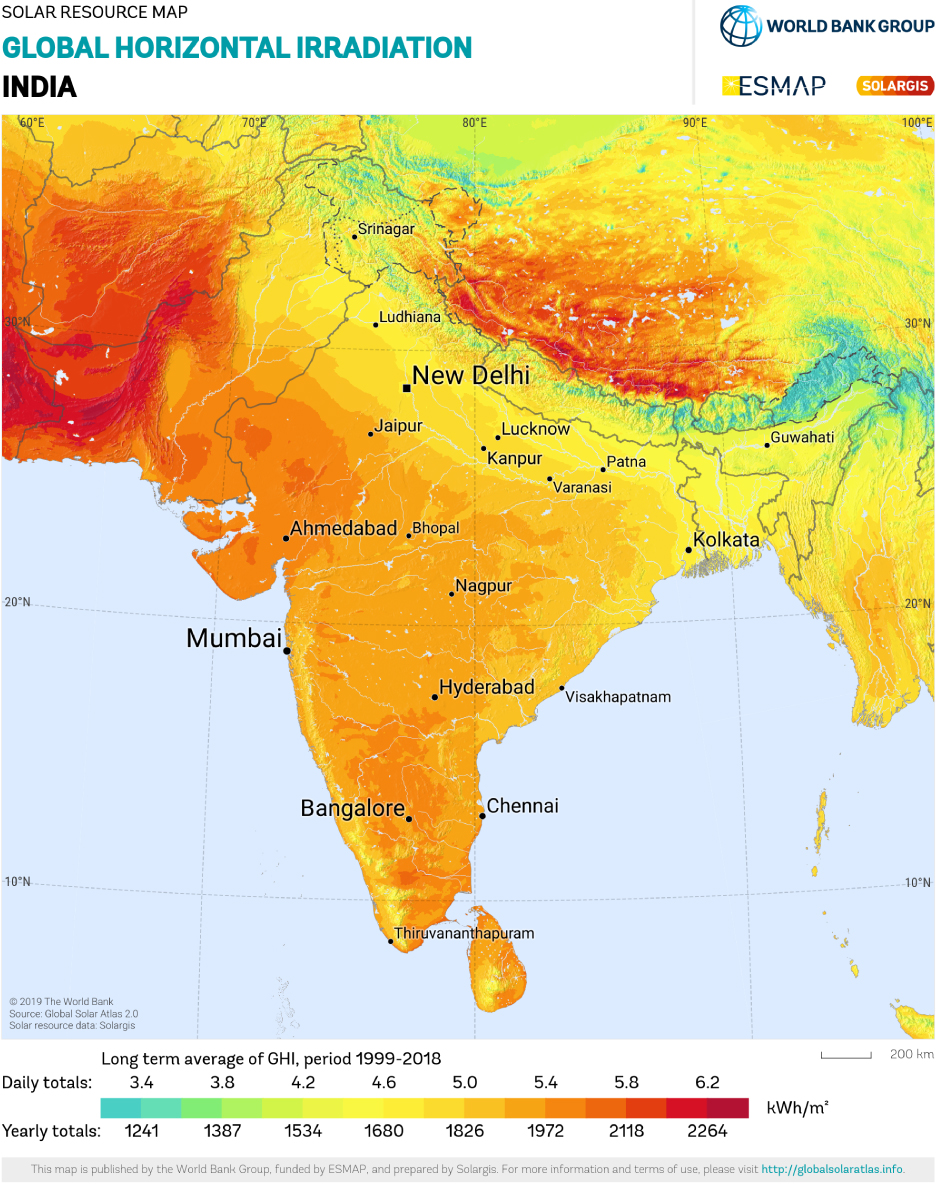
Since solar energy systems depend on sunlight to generate electricity, the amount of sunlight your panels receive is the key factor in determining their total energy output. India receives ample sunlight across all its regions, making home solar systems a viable and cost-effective option nationwide, providing substantial savings and sustainability benefits. States like Rajasthan, Gujarat, and Andhra Pradesh receive some of the highest solar irradiance levels, making them ideal for high-yield installations.
2. Total panel wattage and system efficiency
The energy output of a solar system depends on panel wattage and efficiency, which measures how well sunlight is converted into electricity.
Monocrystalline solar panels are the most efficient type of silicon-based solar panels available today. Their efficiency typically ranges from 19% to 24%, with the highest-performing models exceeding 24% efficiency.
Most home panels range from 250 W to 450 W, whereas high-efficiency panels can exceed 500 W. The total capacity is calculated by adding their wattage. For example, 15 panels at 400 W each provide 6,000 W or 6 kW. A system of this size can typically offset ₹3,500–₹5,500 in monthly electricity bills, depending on several factors such as your location, relative electricity tariff, and energy usage. Adding high-efficiency microinverters enhances electricity production, maximising system performance and savings.
3. Panel orientation, installation angle, and shade considerations
To maximise solar energy production, panels should be installed in locations that receive the most direct sunlight throughout the day. South-facing rooftops are ideal, as they capture optimal sunlight. Panels perform best on sloped surfaces with angles between 10 and 40 degrees.
However, shading caused by neighboring buildings or trees can significantly impact solar energy generation. To address this challenge, installing panels in the sunniest areas of your roof is crucial. Microinverters, on the other hand, help maintain consistent energy output even in shaded areas. Installed beneath each solar panel, they allow panels to function independently. This advanced architecture ensures optimal performance, even when panels are installed in different orientations due to limited roof space.
4. Inverter efficiency and system design
While solar panels are the cornerstone of your system, the performance and efficiency of solar inverters and other components play a critical role in determining the amount of usable electricity your installation generates. Choosing the right inverter influences your system’s energy output and affects its reliability. Discussing inverter options with your solar installer is essential to ensure your system achieves maximum efficiency and meets your long-term energy needs. is essential to ensure your system achieves maximum efficiency and meets your long-term energy needs.
5. Operating conditions
The efficiency of your solar system is influenced by external factors like weather conditions, temperature, and hardware condition. While solar panels can generate electricity across a range of temperatures, extreme heat or cold can reduce their efficiency. Cloudy days with limited sunlight can lower energy output.
Dust, dirt, and debris accumulating on panel surfaces can obstruct sunlight from reaching the solar cells, diminishing performance. Regular cleaning of solar panels is essential and ensures steady energy production while extending your system’s lifespan.
6. Solar energy system age
Solar panels gradually lose efficiency as they age, affecting daily energy production. High-quality panels typically degrade by about 0.5% each year, losing half a percent of their energy capacity annually. But even after 25 years, these panels can still produce around 85% of their original energy output, ensuring reliable performance over time.
Calculating rooftop solar energy generation
To estimate your solar system’s electricity production:
- You can consult an installer for professional advice tailored to your needs.
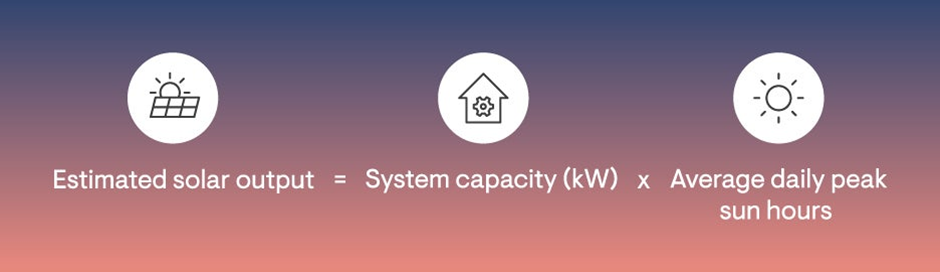
- Alternatively, you can apply the following formula for manual calculations. Multiply your system's capacity by the average peak daily sun hours at your location. Peak sun hours vary based on your location and tools like the National Renewable Energy Laboratory's PV watts calculator can help determine sunlight hours globally including your specific location in India.
- Or else, a third and easy approach is to utilise Enphase system estimator. This tool allows you to easily determine your production, savings, and ROI, making the process straightforward and efficient.
- Or else, use the PM Surya Ghar Yojana Solar Rooftop Calculator, an online tool that recommends optimal solar panel capacity based on your electricity bill, rooftop area, and location.
Discover the ideal solar energy system for your home
Understanding your home’s solar energy potential is the first step toward reducing electricity costs. To maximise long-term savings, opt for high-quality solar panels, microinverters, and reliable system components to ensure greater efficiency and durability.
The Enphase solar system with advanced IQ Microinverters offers real-time monitoring, industry-leading warranties, and customisable installation options, ensuring maximum energy generation and optimal performance.