Solar power systems can harness sunlight to generate, store, and distribute clean energy for 25 years or more. Globally, solar energy enjoys widespread support as a preferred alternative to fossil fuels and other renewables. Whether you are aiming to cut electricity costs, gain energy independence, or lower your carbon footprint, this blog explores how the components in a solar system work together to give benefits to your home and promote a sustainable future.
Home solar power system components
A solar power system is a simple, yet highly sophisticated assembly of components each playing a vital role in the process of converting sunlight into usable electricity.
The three primary components of a solar power system are: the panels, inverters, and an optional battery storage. When installed and connected properly, this system offers savings, reliable energy, and environmental benefits.
1. Solar panels and mounting materials
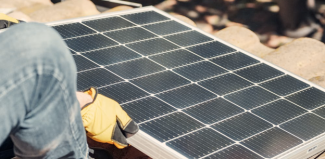
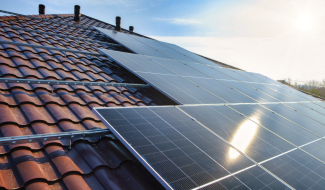
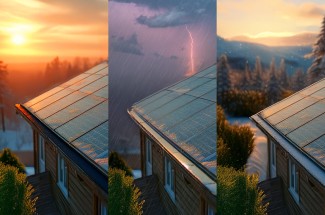
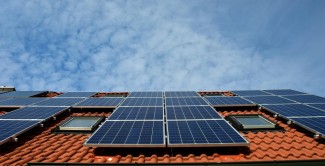
Solar power systems use photovoltaic (PV) panels to capture sunlight and create electricity as direct current (DC). These panels rely on silicon semiconductors to absorb sunlight and generate power. PV panels can be installed on rooftops, mounted on the ground, or integrated into structures like carports or shade shelters. In cases of strong winds and heavy rain, they need secure mounting.
2. Inverters and wiring
Inverter systems work alongside PV panels as a crucial component of a solar power system. They transform DC generated from the panels into alternating current (AC), which is the standard for household and grid electricity. Once converted, the solar power flows through the inverter to your home's electrical panel, ready to power appliances and devices.
The type of inverter you choose—microinverters or string inverters—determines its placement and operation. Microinverters, mounted under each solar panel, enhance efficiency and safety by reducing high-voltage DC wiring on your roof, lowering the risk of electrical hazards. In contrast, string inverters, installed on your home's exterior, centrally convert DC from all panels into AC.
3. Battery storage and grid integration
Excess solar energy generated beyond your needs can either be stored in batteries or sent back to the grid. Batteries are an optional addition to on-grid or grid-tied systems but become a necessity for off-grid setups. Including battery storage while installing a residential solar system is becoming popular as it allows homes to use solar power at night, on cloudy days, or during power outages when configured for backup.
How solar power systems save money with energy independence
Solar installations produce cleaner energy for your home, reducing reliance on grid power, cutting electricity costs, and lowering your carbon footprint. If your system is connected to the grid, you can take advantage of net metering. This allows you to offset your energy consumption during nights or overcast days with surplus energy generated on sunny days. If your solar system generates more electricity than you consume, the surplus is fed into the grid. This excess energy is credited to your electricity bill, reducing future payments. In most states, DISCOMs do not pay cash for surplus energy; they only provide bill adjustments. You will need to understand net metering policies in your area and ensure that your system is compatible with the local grid and meets regulatory requirements.
Solar batteries add extra benefits, like storing excess energy for use during outages, at night, or on days with limited sunlight. Not all batteries support backup during outages, so it is important to discuss your specific needs with your installer when designing your home solar system.
Maximising PV panel efficiency
Although all components of a solar power system affect its overall efficiency, the electricity generation largely depends on the PV panels. Several factors influence a solar panel’s energy output and cost savings, with five key ones outlined below.
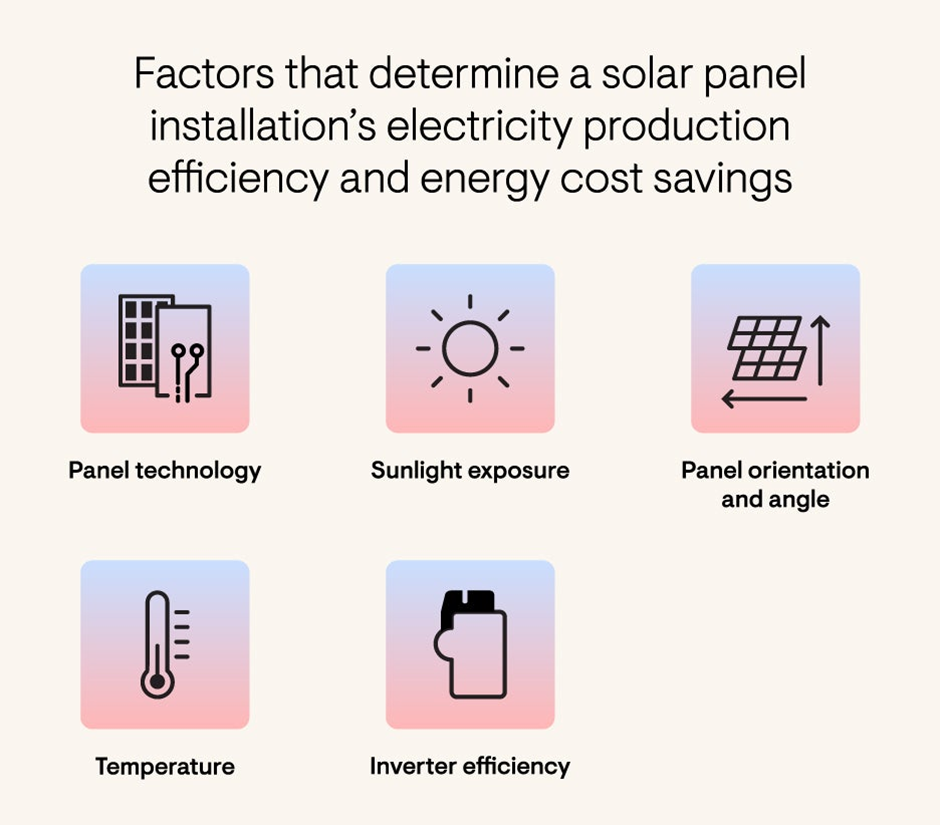
- Panel technology: The electricity production capacity of a PV panel depends on its efficiency and wattage. Monocrystalline solar panels are popular for residential use due to their sleek black design and their efficiency rating that typically ranges from 19% to 24%, with the highest-performing models exceeding 24% efficiency.
Most home solar panels typically range from 250 W to 450 W, while high-efficiency models can exceed 500 W. The total capacity of energy is calculated by adding their wattage. For example, 15 panels at 400 W each provide 6,000 W or 6 kW. - Sunlight exposure: The efficiency of solar power systems depends on the amount of sunlight reaching the panels. Shading can reduce electricity production and significantly impact the system's output. Using microinverters can help minimise these losses.
- Panel orientation and angle: To maximise efficiency, solar panels should be installed at the best possible orientation and angle for your property. Ideally, panels should face south, as this position receives the most sunlight. The angle should match your location’s latitude for optimal performance. However, various roof orientations and angles can still capture solar energy effectively, generate electricity efficiently, and lower your electricity bills.
- Temperature: While it may seem counterintuitive, solar panels work most efficiently in cooler conditions, ideally around 25°C. Since sunlight can heat up panels, it is important to install them with a gap underneath to allow airflow. This helps keep them cool and maintain efficient energy production.
- Inverter efficiency: Once your panels produce DC, the efficiency of your inverter system determines how much solar electricity can be used at home or sent to the grid. Microinverters offer advantages over string inverters, such as better system performance and up to 25-year warranty that aligns with the lifespan of solar panels.
Discover the ideal solar energy system for your home
Understanding your home’s solar energy potential is the first step toward reducing electricity costs. To maximise long-term savings, opt for high-quality solar panels, microinverters, and reliable system components to ensure greater efficiency and durability.
The Enphase Energy System offers advanced microinverters, seamless battery backup, real-time monitoring, industry-leading warranties, and customisable installation options, ensuring maximum energy harnessing, optimal performance, and peace of mind.