Why reliable power matters in field research
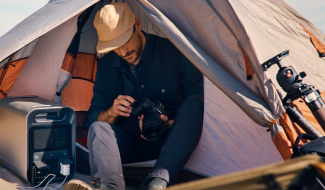
Field researchers often work in extreme environments—from dense rainforests to remote mountain peaks—where adaptability is critical. To support this adaptability, smart portable energy systems offer a compact and reliable alternative to bulky generators and heavy batteries for powering both research equipment and personal devices.
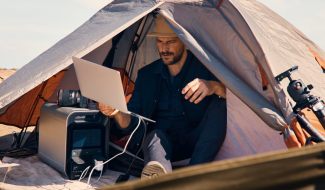
These systems support a wide range of gear, from sensors and satellite phones to laptops and cameras. Here we’ll explore how they help researchers work longer, safer, and smarter in the field.
How researchers use portable energy systems
Smart portable energy systems are already transforming how field researchers operate in remote environments. Here are a few examples:
- Wildlife conservationists use portable power to run camera traps and acoustic sensors deep in protected forests—collecting uninterrupted data on endangered species without disrupting habitats.
- Climate scientists stationed in Arctic regions rely on portable energy systems to power weather sensors, satellite uplinks, and laptops while working far from base camps.
- Anthropologists conducting interviews in off-grid mountain villages use them to charge recording equipment, translation tools, and even Wi-Fi hotspots for uploading findings.
- Geologists surveying volcanic activity in remote zones use rugged, weather-resistant systems to power sensors and GPS devices for days at a time.
Why portable energy systems are ideal for field work
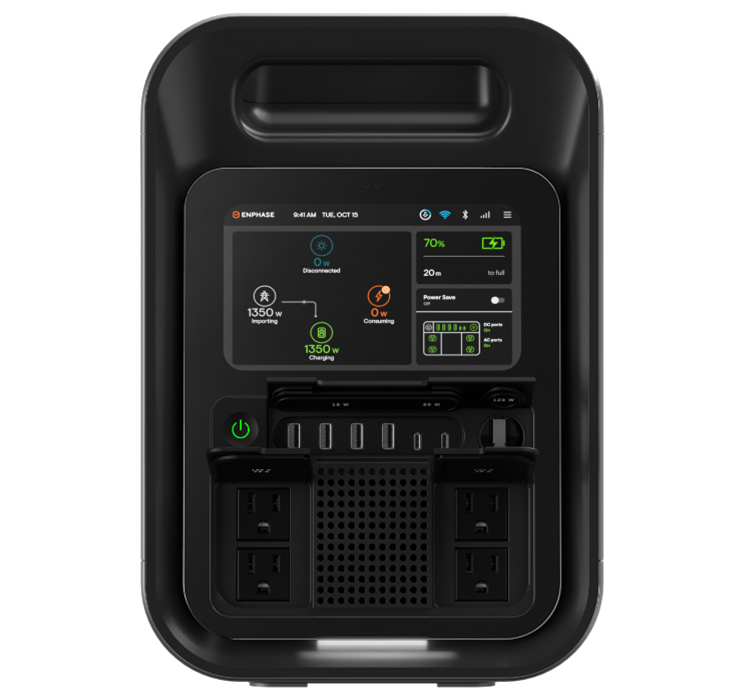
Smart portable energy systems are built for the unique challenges of field research. They are compact enough to carry through remote terrain, with handles or wheels that make them easy to move and operate. With multiple output ports like AC, USB-A, USB-C, and 12 V DC, they can power multiple devices at once.
Unlike traditional fuel-powered generators, these systems are completely silent, produce no emissions, and don’t require you to carry fuel into the field. Many models are also weather-resistant and sleekly designed, easy to pack, and can be relied on even in rough or unpredictable conditions. And since sunlight is often available during fieldwork, solar charging offers a dependable, renewable power source when grid access isn’t an option.
These systems come in a range of capacities, from a few hundred watt-hours for short trips to over 4,000 watt-hours for extended missions. Most portable energy systems use lithium-iron-phosphate batteries, known for long cycle life and stability. Built-in safety features like temperature monitoring and automatic shutoff help ensure reliable performance in unpredictable conditions.
Charging options for portable power stations
Modern portable energy systems offer flexible charging options. Whether it’s at home, in your vehicle, or even using solar panels in the field, these systems ensure your operations stay powered, no matter how remote the location.
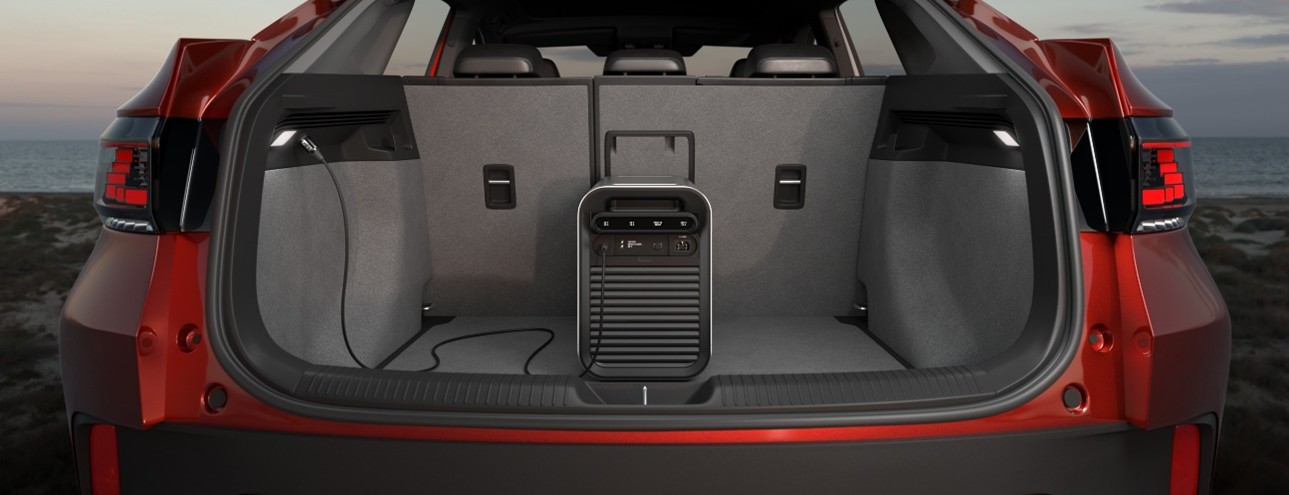
- AC charging is the fastest method—just plug into a wall outlet for a full charge in a few hours.
- Car charging is slower but useful during long drives between sites.
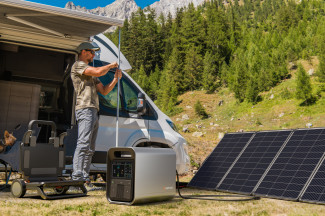
- For longer field assignments, solar charging is a game changer as researchers can charge them using portable solar panels directly in the field.
Thanks to fast-charging capabilities, many systems can be fully recharged in just a few hours, providing enough power for a full day of data collection or an evening of analysis.
Safety features that matter in the field
Miles away from medical facilities, the last thing researchers need is a power-related accident. Fortunately, today’s portable energy systems are built with safety at the core. Many use lithium-iron-phosphate (LFP) batteries, known for their stability, longevity, and resilience.
Advanced safety features—such as temperature monitoring, automatic shutdowns, and real-time battery diagnostics—provide added peace of mind during critical missions.
Eco-friendly power solutions for researchers
Gasoline-powered generators often create noise pollution and harmful emissions, both of which can interfere with research and disturb ecosystems. In contrast, smart portable energy systems operate silently and emission-free, making them a much better choice when working with wildlife or in protected areas.
Durability and smart features for harsh conditions
Fieldwork isn’t always gentle, and your equipment needs to keep up. These energy systems are built for exactly that—durability, reliability, and performance in the wild. They’re rugged, compact, weather-resistant, and easy to carry.
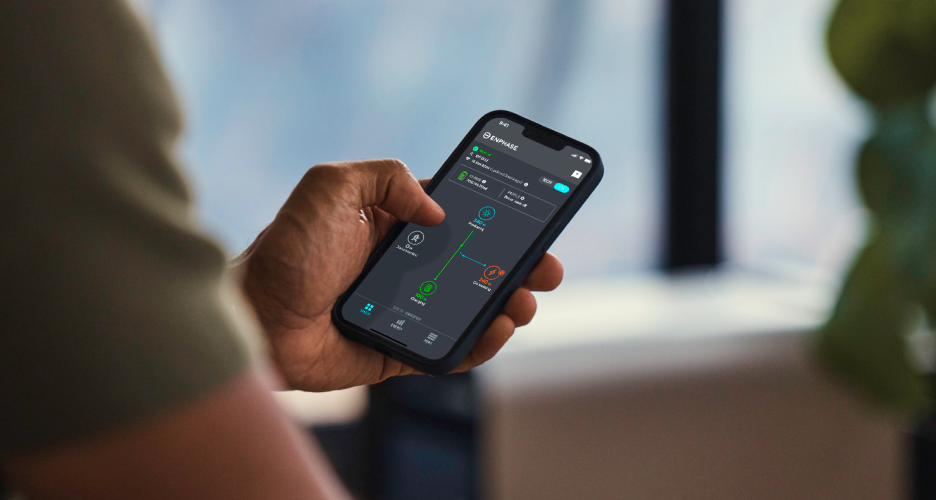
Many evolved models now support app-based control via Wi-Fi, Bluetooth, or cellular networks. This means researchers can monitor power usage, update software, and manage their system remotely, boosting productivity and control.
Ready to stay powered in the wild?
Whether you're trekking through rainforests or scaling remote peaks, staying connected and operational is key to breakthrough research. Explore how the IQ PowerPack 1500 can help you stay prepared for anything the field throws your way.
Frequently Asked Questions
It depends on the system’s capacity (in watt-hours) and your device load. For example, a 1,000 Wh system can power a 100 W device for around 10 hours. Be sure to match the system to your power needs in the field.
Most use lithium-iron-phosphate batteries, which are safer than standard lithium-ion. That said, large batteries may face restrictions. Always check airline and customs guidelines before packing.
Many are rated for outdoor use and can handle rain, dust, and cold. However, extreme heat or freezing conditions may affect performance, so it’s best to confirm the operating range.