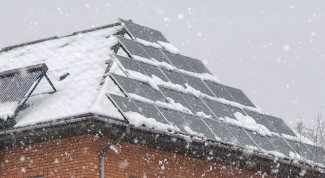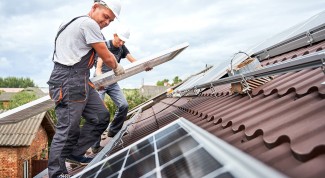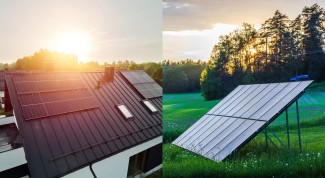
Although often overlooked, solar panel mounts are an essential piece of a home solar energy system that secure your panels in place. Understanding how solar mounts work, as well as what options are available, can help you optimize your installation’s design, energy production efficiency, and impact on your property.
In this guide, we look at solar panel roof mounts, ground-mounted solar panels, and related technologies to help you choose the ideal system design for your home.
Types of solar panel mounting systems
There are several types of solar panel mounts, each with its own advantages and considerations. With that in mind, about 97% of U.S. solar installations today are found on residential rooftops.
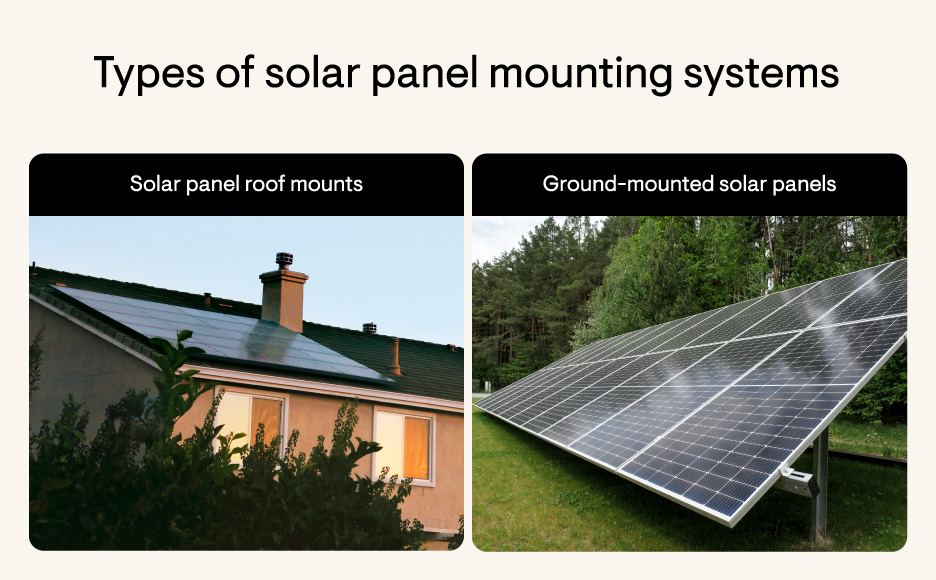
Solar panel roof mounts
Panels mounted on your roof can utilize unused space on your property and minimize the amount of equipment necessary to produce solar electricity for your home. As a result, solar panel roof mounts are usually the most cost-effective option for homeowners today.
Finding the solar potential for your home typically begins with assessing your roof’s suitability. While ultimately you should speak with a professional for an expert assessment, a home solar estimator tool can also help you design an initial installation for your roof and calculate its potential to generate electricity and save money on energy bills.
For safety, solar mounts raise panels above your roof’s surface, allowing for airflow. To meet local building and electrical codes, solar panel installations on angled roofs must usually be mounted parallel to the roof’s surface. On flat roofs, solar panels may be raised to an angle for optimal performance efficiency where permitted.
Ground-mounted solar panels
Ground-mounted solar panels can be placed anywhere on your property with ample sunlight and space, within local regulatory standards. Compared to solar panel roof mounts, ground-mounted systems usually require more hardware and often necessitate trenching to safely run wires from the panels to your home. In some areas, building a fence is also required around ground-mounted systems.
While ground-mounted solar panels usually have higher project costs, they can almost always be installed at the ideal angle, and in the optimal direction, for maximum electricity production efficiency and energy bill savings. When sunlight or installation space is limited, sun-tracking technologies can also increase your daily electricity production potential by enabling your panels to follow the sun’s movement across the sky.
Finally, raising ground-mounted solar panels can be a creative way to install a functional shade or carport that also generates electricity. Home solar panels on carports can pair well with electric vehicles (EV), as one of the cheapest and greenest ways to charge an EV.
A detailed look at solar panel roof mounts
While the intricacies of solar panel roof mounts vary by manufacturer and product, most rooftop solar mounting systems contain the following features for safe, secure, and non-invasive installation.
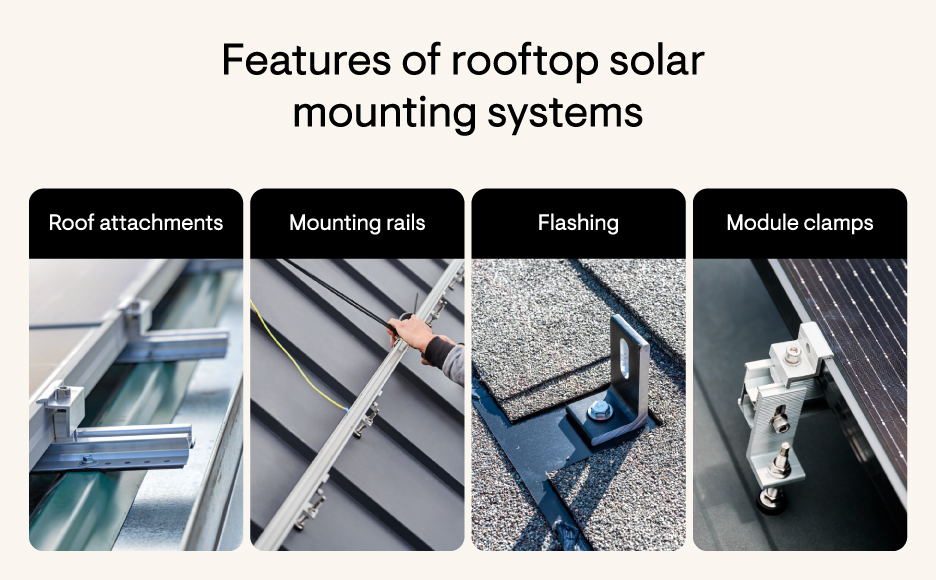
Roof attachments
Roof attachments anchor your solar mounting system, ensuring panel stability in all wind and weather conditions. Most solar roofing attachments include lag bolts secured to your rafters and small standoffs or “feet” that create space between your roof and the bottom of the panels.
Flashing
Essential for weatherproofing, flashing is installed around roof penetrations to prevent the possibility of leaks. Flashing adds another layer of protection beyond sealant alone, and is usually made of aluminum, steel, or copper.
Mounting rails
Mounting rails are the bars that your solar panels rest upon. By supporting multiple panels and distributing their weight, mounting rails help minimize required roof penetrations—though there are many safe, rail-less racking systems available as well.
Module clamps
Module clamps are fastening devices that secure solar panels to your mounting rails. Just like roofing attachments, durable module clamps are essential to keep your solar panels and roof safe during adverse weather conditions.
How to choose your solar panel mounting system
While your ideal home solar energy solution depends on many different factors, solar panel roof mounts are the most popular choice among homeowners today as a cost-effective and space-saving solution. Your ideal rooftop solar mounts will depend on your roof type. Today, there are solar mounting systems available for virtually every common roofing material, including asphalt shingles, clay tiles, metal, and slate.
If there’s enough installation space on your property, a ground-mounted system may be worth it to maximize your panels’ electricity production efficiency and long-term savings on energy bills. With roof or ground-mounted solar panels, it is also essential to use high-quality materials for your system, as most mounts are designed to last as long as the panels themselves—for 25 years or more.
Whether you’re most interested in financial savings, longevity, or even property aesthetics, talking to a professional is the best way to choose your mounting system. By contacting certified installers in your area, you can analyze the pros and cons of every solar panel mount possibility and find the perfect solution for your home.
Key insights
In conclusion, choosing the right solar panel mounting system will be a crucial step in your residential renewable energy journey. By considering your roof’s suitability and the installation space on your property, you can select the mounting method best suited for your home, while maximizing safety and savings on electricity bills.
To find and install a high quality solar energy system, consider a home solution from Enphase. With industry-leading warranties and a nationwide network of certified installers, Enphase systems enable safe, sustainable solar electricity production and savings wherever sunlight shines.
Home solar panel mounting systems FAQs
While it's technically possible to mount solar panels on your roof yourself, hiring a professional is strongly recommended. Installing rooftop solar panels involves working with electricity and heights, both of which can be dangerous without the necessary skills and experience.
No, solar panel mounts will not damage your roof when installed safely and correctly. Although some roof penetrations may be required, solar panel roof damage is extremely rare when working with certified professionals.
Yes, solar panels can be put on a wide variety of tile roofs. To do so, some tiles may need to be removed to add the mounting materials. Some systems also use small “hooks” to minimize roof penetrations by securing panels directly to the tiles.
Yes, solar panels can be put on most metal roofs. Metal roofs are strong, durable, and very compatible with home solar energy systems. For minimal impact, solar panels can sometimes be clamped directly onto metal roofing seams.