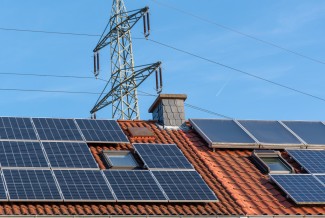
Installing solar panels is a big step toward energy freedom. But once the panels are up, there’s one more step before your system can go live: connecting it to the grid. That process is called solar interconnection, and it is what lets you power your home with cleaner energy and send any extra back to your utility.
Here’s a complete walkthrough of how it works, how long it takes, and what to expect along the way.

What is the solar interconnection process?
Solar interconnection is the process of connecting your home’s solar system to the local utility grid. It allows your system to power your home and send extra energy back to the grid, often earning you bill credits through net metering.
Before interconnection, your utility and local authorities will check if your system is safe, code-compliant, and ready to operate. Once cleared, your system can officially go live.
Why is solar interconnection important?
Interconnection isn’t just a formality—it’s what makes your solar system safe, reliable, and ready to deliver savings. Here’s how it helps:
- Confirms your system is safe for your home and utility crews
- Prevents energy from flowing back to the grid during outages
- Enables net metering, so you can earn credits for excess energy
- Ensures your system won’t overload your home or the grid
It’s the final safety check before your system goes live, ensuring everything runs safely and smoothly.
Does your system work in outages after grid connection?
If your system is grid-tied only, it will shut off during a power outage. This is a safety measure to protect utility workers and prevent electricity from flowing back into the grid while they make repairs.
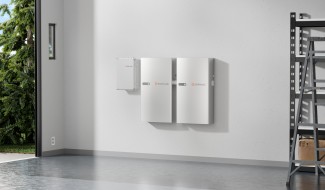
But if your system includes a solar battery like the Enphase IQ Battery, it can be designed to safely disconnect from the grid during an outage and continue powering your home using stored solar energy. This safe process is known as intentional solar islanding, and it helps keep your home powered even when the grid is down.
How much does solar interconnection cost?
Costs vary by utility, but interconnection fees typically range from $0 to $200 and are often included in your overall solar system price.
Additional costs may apply if:
- Your service panel needs an upgrade
- A smart meter must be installed
- Your application needs to be resubmitted
A good solar installer will always explain all potential costs upfront, so there are no surprises.
How much time does interconnection take?
Timelines vary by location and utility, but here’s a general estimate:
- Utility review: 1–3 weeks
- Installation: 1–3 days
- Inspections and PTO: 1–3 weeks
In total, the process typically takes 3 to 6 weeks. Delays can happen if your utility has a backlog or if your home needs electrical upgrades, but your installer should be able to guide you through each step.
Key steps in the solar interconnection process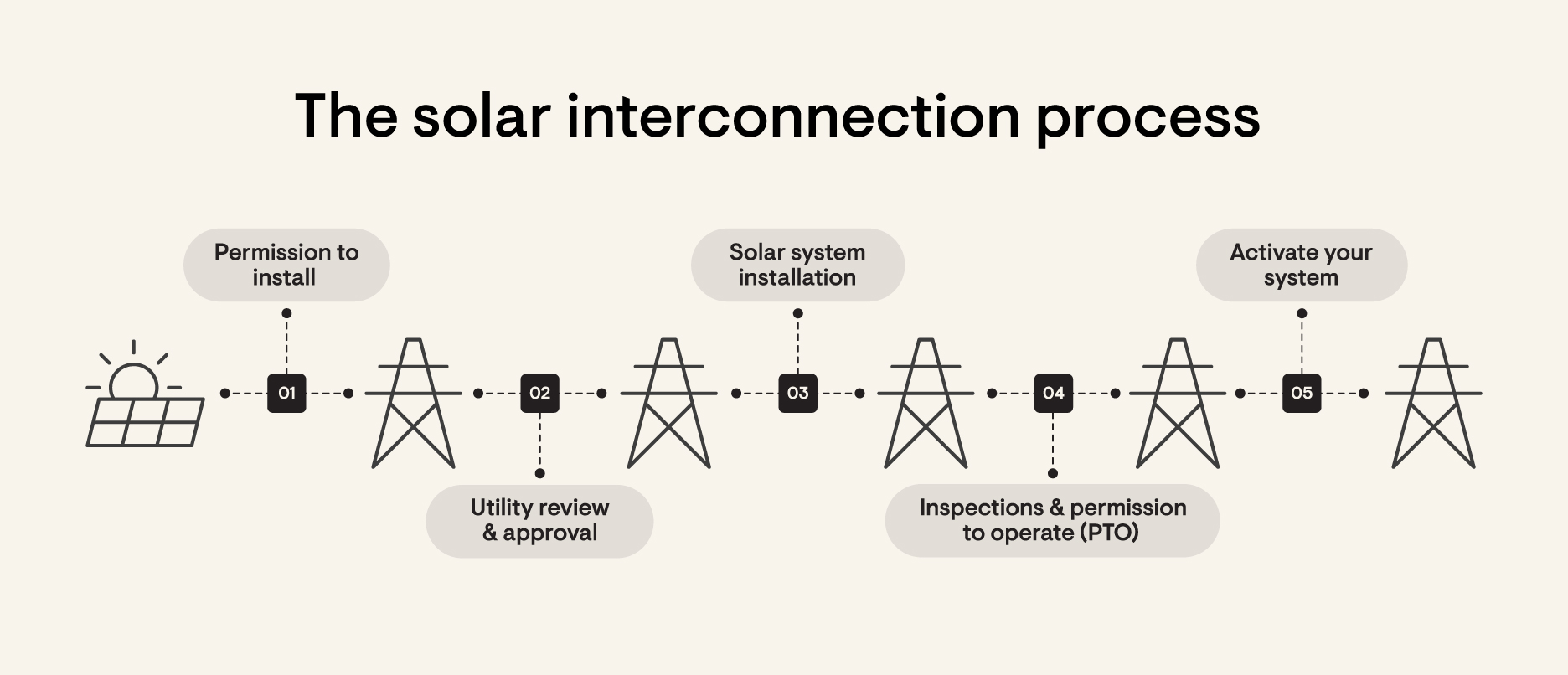
Step 1: Apply for permission to install
Before any work begins, your installer submits your system details to the utility for approval. This includes:
- System design and specs
- Electrical diagrams and estimated energy usage
- Equipment information (like batteries, if included)
- Signing up for the correct billing profile for your installation—and, if equipped, allowing your battery to export to the grid for additional savings
In many areas, you’ll also need approvals from your local building authority (called the AHJ), which reviews your system plans to ensure they meet local codes and safety standards. You’ll also need finalized building and electrical permits to submit for final interconnection with the utility.
Step 2: Utility review and conditional approval
The utility reviews your application to confirm that your home’s electrical setup and utility infrastructure can support solar backfeed. Most homes need at least 100-amp service, but if you’re all-electric or adding an EV charger, a 200-amp upgrade may be required. Some utilities also require a bi-directional smart meter to track energy flowing in and out of your home. Once everything meets their criteria, you’ll get the green light to install. The utility may also inspect the installed system to confirm that it matches the submitted plans.
Step 3: Install your solar system
Once the approvals are in place, your installer gets to work. They will:
- Mount panels securely with leak-proof flashing
- Make electrical connections through your attic, garage, or basement
- Connect the inverter or microinverters
- Set up your main panel and battery, if included
Most installs take about 1 to 3 days. Once done with installation, your system is ready for inspection.
Step 4: Inspections and permission to operate (PTO)
Before your system goes live, it must pass two inspections:
- Local building inspection: checks panel mounting, wiring, and grounding
- Utility inspection or virtual review: ensures your system meets grid standards
Once approved, your utility issues permission to operate (PTO) and typically installs or activates your smart meter.
In certain cases, PTO delays may happen due to:
- Incomplete paperwork or signatures
- Wiring or installation issues
- Utility account holds
- Inaccessible inverter during inspection
A trusted and certified solar installer will handle this professionally and keep you informed every step of the way.
Step 5: Activate your system
Once you get PTO, your installer will activate your system either onsite or remotely. From that moment on, your panels start powering your home. If your utility supports net metering, you’ll also start earning credits for extra energy sent back to the grid.
If you are using Enphase Microinverters, you can track your system’s performance panel-by-panel in real time using the Enphase App—so you always know how much energy your system is producing and saving.
Choosing the right installer for solar interconnection
The interconnection process can be simple or full of delays, and a certified installer can make all the difference by:
- Submitting accurate, complete paperwork
- Staying on top of utility and AHJ deadlines
- Flagging potential issues early
- Coordinating smoothly with all parties involved
- Understanding correct billing profiles where applicable
If you’re installing an Enphase system, choosing an Enphase certified installer will make this entire process smooth and hassle-free. They’re trained to follow the latest safety standards and ensure everything is set up right the first time.
What happens after your solar system goes live?
Once your system is installed and connected, you're officially running on solar. You’ll start seeing lower electricity bills, a reduced carbon footprint, and greater energy independence.
Make grid connection easy, with the right system
In your solar journey, choosing the right solar partner matters just as much as the panels on your roof. With Enphase, you get a system that’s designed for reliability and built to meet the highest safety and compliance standards. That means getting connected to the grid is simpler and quicker. Plus, when you work with Enphase certified installers, you don’t have to worry about the paperwork, approvals, or inspections. They handle it all, so you can power on with confidence.
Unsure about interconnection rules? Our team can help guide you.
Understanding solar interconnection FAQs
Yes, but it’s uncommon. Off-grid systems are typically used in remote areas and require large batteries and backup generators. Most homes stay grid-connected for reliability and to benefit from net metering.
You cannot skip utility steps, but a good installer can prevent delays by submitting complete paperwork and staying on top of local requirements.
It’s rare, but it can happen due to outdated electrical systems or limited grid capacity. Your installer can work with the utility to fix the issue or recommend upgrades.
A net meter measures both the electricity you use and the excess energy your system sends to the grid. It helps calculate your credits under net metering programs.
Yes, many utilities offer alternatives like time-of-use credits or fixed-rate buybacks. Your installer should explain what applies in your area.