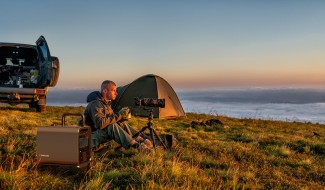
“Power outages in the U.S. have increased by 64% in the last decade.” — Climate Central
Working from home has become the norm for many, and with it comes the need for a reliable tech setup. From laptops and webcams to Wi-Fi routers and even smart coffee machines, our productivity depends on all these devices working seamlessly—and all of them depend on one thing: uninterrupted power.
Yet, many of us take electricity for granted until a power outage hits. And with power outages becoming more frequent across the U.S., the risk of disruptions to your workflow is growing. For remote workers, even a short blackout can mean missed deadlines and lost hours.
The solution: Portable power stations
You don’t have to be left in the dark, literally or figuratively. A portable power station is a smart and effective way to stay connected during outages.
Think of it as a large, rechargeable battery that supplies electricity just like a wall outlet. These systems run silently and don’t require gasoline or messy fumes, so you can stay focused on work without background noise or safety concerns. Most models are sleek and compact too, blending easily into a home office setup without looking out of place.
Portable power stations can power everything, from your computer and printer to your router and phone charger—all at once. Most models come with multiple output ports, making them ideal for a multitasking workspace. Depending on its battery capacity, it can keep your essential devices running through even long power cuts, ensuring your workflow never skips a beat.
How long can a portable power station keep you working?
Battery size matters—but it’s not just about getting the largest one. Portability is equally important, especially if you want to move freely around the house or even work outdoors on a nice day.
Here's a helpful guide on how long a 1.5 kWh portable power station can support your devices:
| Home/office equipment | How long can a 1.5 kWh portable power station power or charge each item |
| Desktop computer | 11 hours |
| Laptop computer | 17 full charges |
| Printer | 5 hours |
| Wi-Fi router | 57 hours |
| Tablet | 31 full charges |
| Smartphone | 57 full charges |
| Table lamp | 40 hours |
Of course, a portable power station is not only useful for the home office—you can also move it around the house to power other appliances and electronics with it. And if you pair it with solar panels, you can keep it charged sustainably even during extended outages. With sunlight often available during the day, it’s a simple, renewable way to stay powered without relying on the grid.
A quick checklist for choosing a portable power station
- High battery capacity - Look for around 1,500 Wh usable capacity to keep multiple home office devices powered during outages
- Multiple output ports - Enough ports to connect all your essential devices at once
- Smart control via app - Lets you monitor and manage the unit remotely via Wi-Fi, Bluetooth, or cellular connectivity
- Certified safety - Tested for battery safety and approved for temporary outdoor use
- Fast recharging - Can recharge from 0% to 100% in under 75 minutes using AC input
- Durable, weather-ready build - Impact-resistant with silicone-covered ports to guard against dust and moisture
- Portable design - Compact and easy to move, with sturdy handles for added convenience
- Reliable brand support - Backed by 24/7 customer service for peace of mind
Choosing the right portable power station for your home office
Picking the perfect power station doesn’t have to be complicated. Just follow these five smart steps to choose a portable power station that’s right for you.
1. Calculate your power needs
Make a list of the devices you use daily and how long you need them powered. This helps determine the battery size you’ll need. The more devices (and the longer they run), the higher the capacity you’ll want.
2. Look for smart features
A good portable power station isn’t just powerful—it’s smart. Most preferred models now come with remote control features via smartphone apps, allowing you to monitor battery levels, switch ports on/off, or even schedule usage.
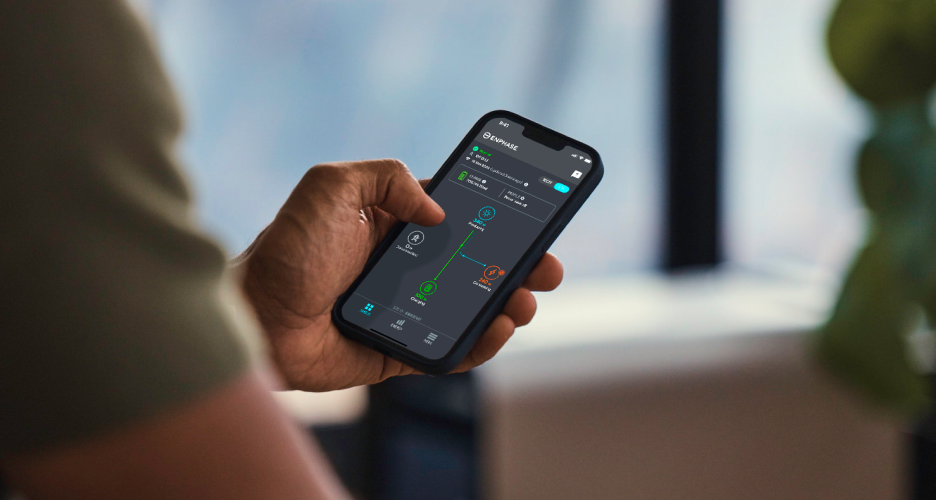
Look for a portable power station that offers app-based controls, allowing you to monitor battery levels, switch ports on or off, and manage settings from your iOS or Android device. Features like auto power-off can also help conserve energy when the unit is idle.
3. Don’t overlook safety features
If you have kids or pets at home, safety is a top priority. Look for a portable power station with features like water-resistant socket covers, a battery pack tested for UL fire safety standards, and a design certified for outdoor use. These details provide peace of mind without sacrificing performance.
4. Think beyond work
The benefits of a portable power station go well beyond weekday Zoom calls. Whether you’re hosting a backyard party, watching a movie outdoors, or heading out for a short camping trip, choose a unit that’s easy to move and designed for life on the go. Some models even offer optional accessories like rolling carts to make portability even more convenient.
5. Match looks to lifestyle
Let’s face it—looks matter. While some portable power stations have a rugged, industrial design suited for job sites, others feature a sleek, modern look that blends seamlessly into a contemporary home or office. Choose a style that fits your space as well as your power needs.
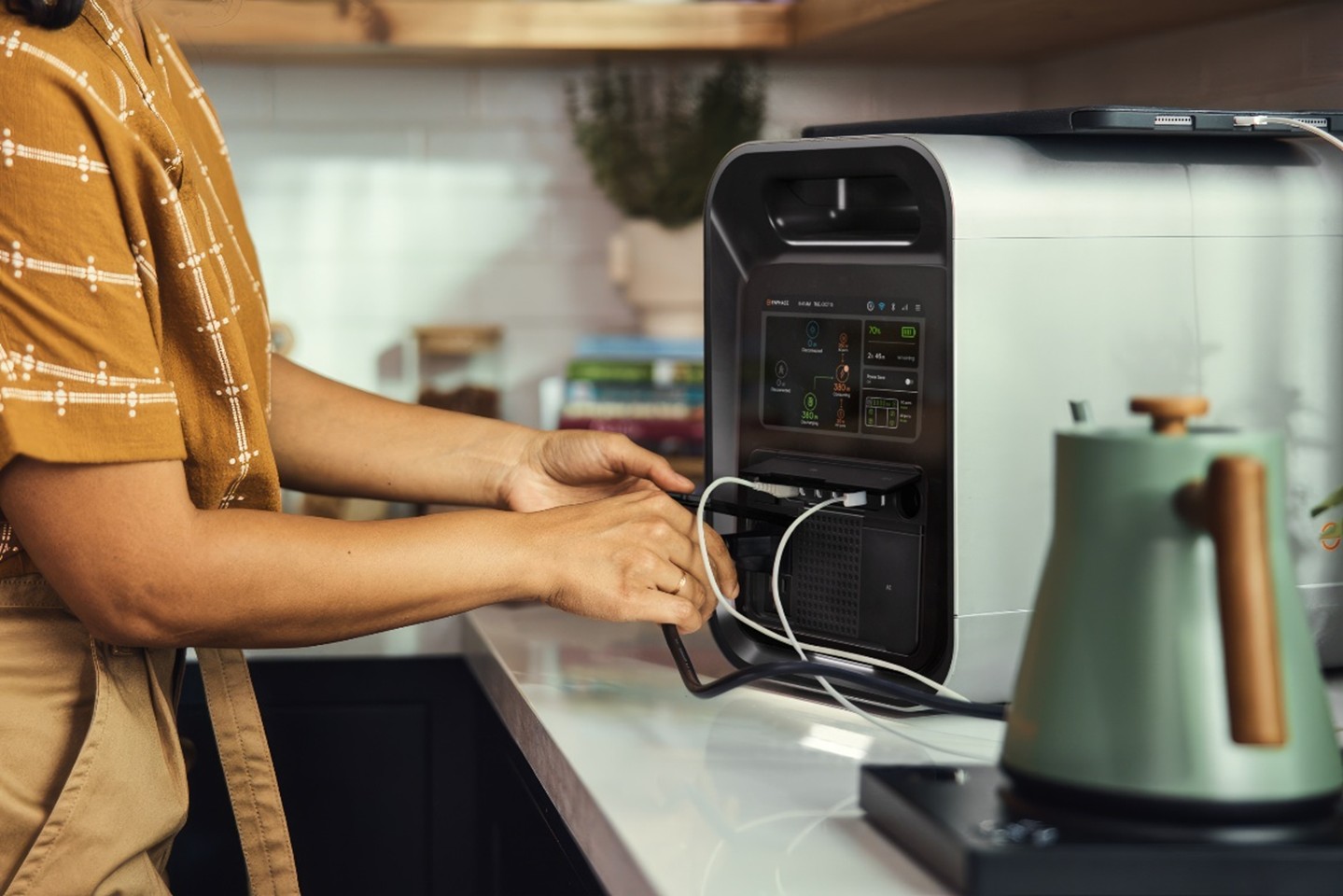
Ready to stay powered, anytime?
A portable power station is more than just a backup—it’s your safety net for staying productive and stress-free when the grid goes down. Whether you're powering your router for an important client call or keeping your laptop running during a thunderstorm, it ensures your workflow stays uninterrupted.
They’re also built to last with weather-resistant ports, durable casing, and portability in mind, so even if you need to use it in your backyard or on the go, you won’t have to think twice.
If you're looking for a power solution that's smart, safe, and made for the way you work today, the Enphase IQ PowerPack 1500 checks every box. It's reliable, portable, and built to keep your home office running—no matter where the day takes you.
Want to know what makes it a smarter choice?
Frequently Asked Questions (FAQs)
No, due to airline safety regulations, portable power stations with large lithium batteries (typically over 100 Wh) are not allowed in checked or carry-on baggage.
Most models can retain charge for several months when not in use, but it’s best to recharge them every 3–6 months to maintain battery health.
Yes, many portable power stations support pass-through charging, meaning you can use connected devices while the unit itself is charging—just make sure the model you choose includes this feature.
A portable power station is a rechargeable battery system that stores electricity, while a solar generator typically includes a power station plus solar panels to recharge it using sunlight. Some portable power stations are compatible with solar panels, but they don't come with them by default.