As more homes adopt solar and battery storage, homeowners are becoming active participants in how electricity is generated, stored, and shared—through programs known as Virtual Power Plants (VPPs). These programs are expanding as utilities look for cleaner, more flexible ways to keep the grid reliable.
So, can you get paid for sharing energy from your home battery? In many regions, the answer is yes.
What is a Virtual Power Plant?
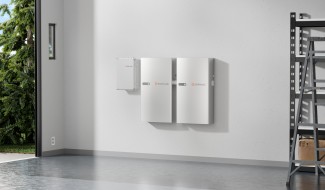
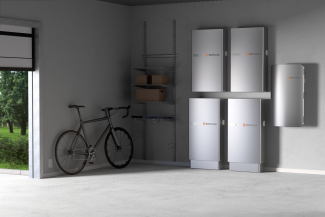
A Virtual Power Plant (VPP) is a network of distributed energy resources—such as home batteries, solar systems, and smart EV chargers—that are coordinated to support the electric grid. Instead of relying solely on large, centralized power plants, utilities can tap into thousands of smaller systems when electricity demand is high or when grid reliability is at risk.
From the grid’s perspective, a VPP behaves like a traditional power plant. From a homeowner’s perspective, it’s a way to contribute stored energy or reduce usage during specific events—often in exchange for financial incentives.
How do Virtual Power Plants work
Electricity demand changes throughout the day, and periods of high use can strain the grid. During these peak times, utilities may call on enrolled batteries to help balance supply and demand.
For solar and storage owners, this typically means one of two things:
- Your battery sends a portion of its stored energy back to the grid
- Your home uses less electricity from the grid during the event
These events are short, infrequent, and automated. You don’t need to manually operate your system, and participation does not mean giving up control of your backup power preferences.
Why the grid needs support from homes like yours
Electricity demand in the United States is increasing, driven by population growth, electrification of vehicles and appliances, and greater use of air conditioning and heating. The U.S. Energy Information Administration (EIA) projects continued growth in electricity consumption over the coming decades.
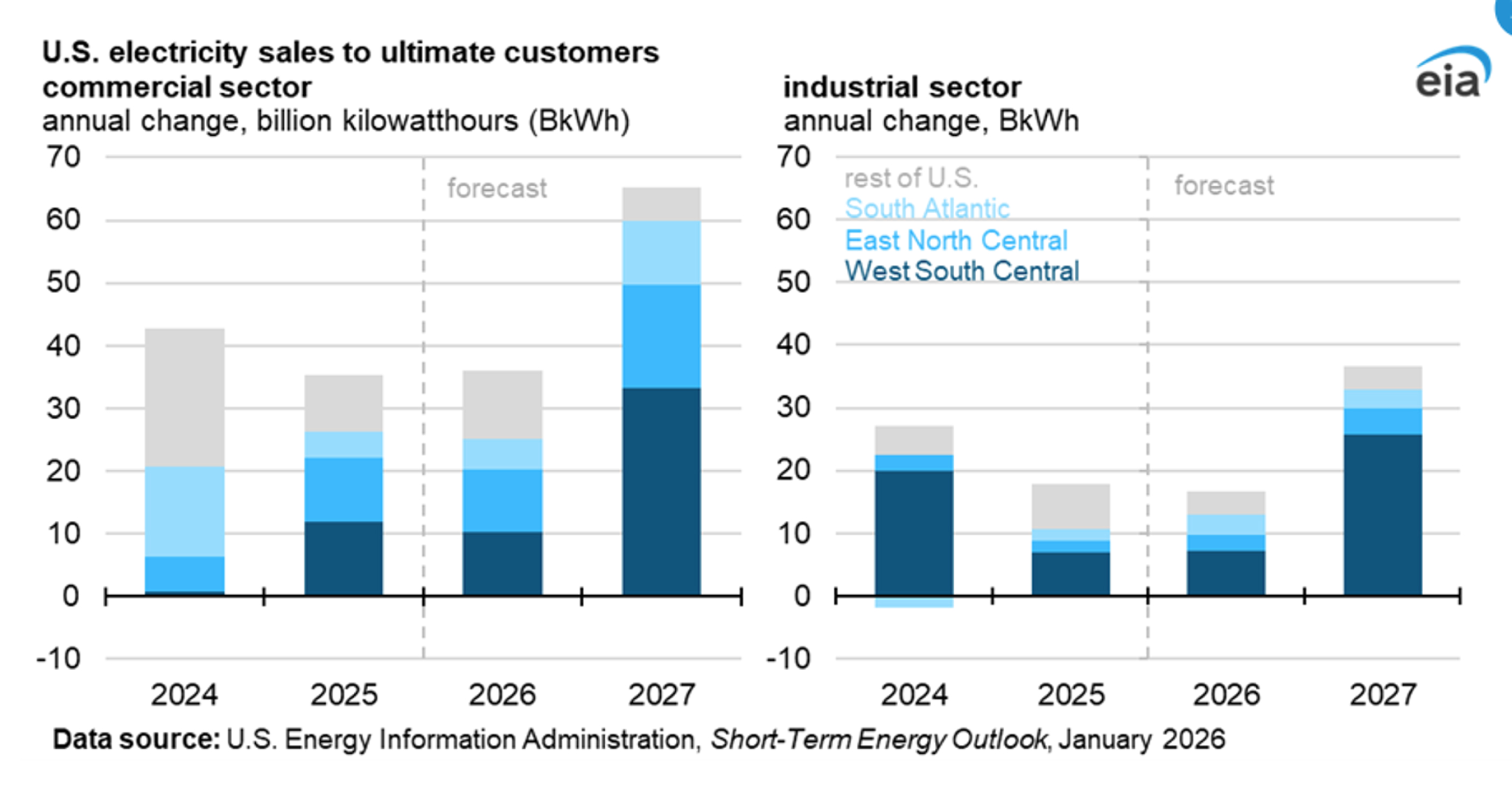
Source: https://www.eia.gov/outlooks/steo/report/elec_coal_renew.php
At the same time, extreme weather events are placing more stress on the grid. The National Oceanic and Atmospheric Administration (NOAA)’s Billion-Dollar Weather and Climate Disasters data shows that in recent years, the U.S. has experienced multiple billion-dollar weather disasters annually.
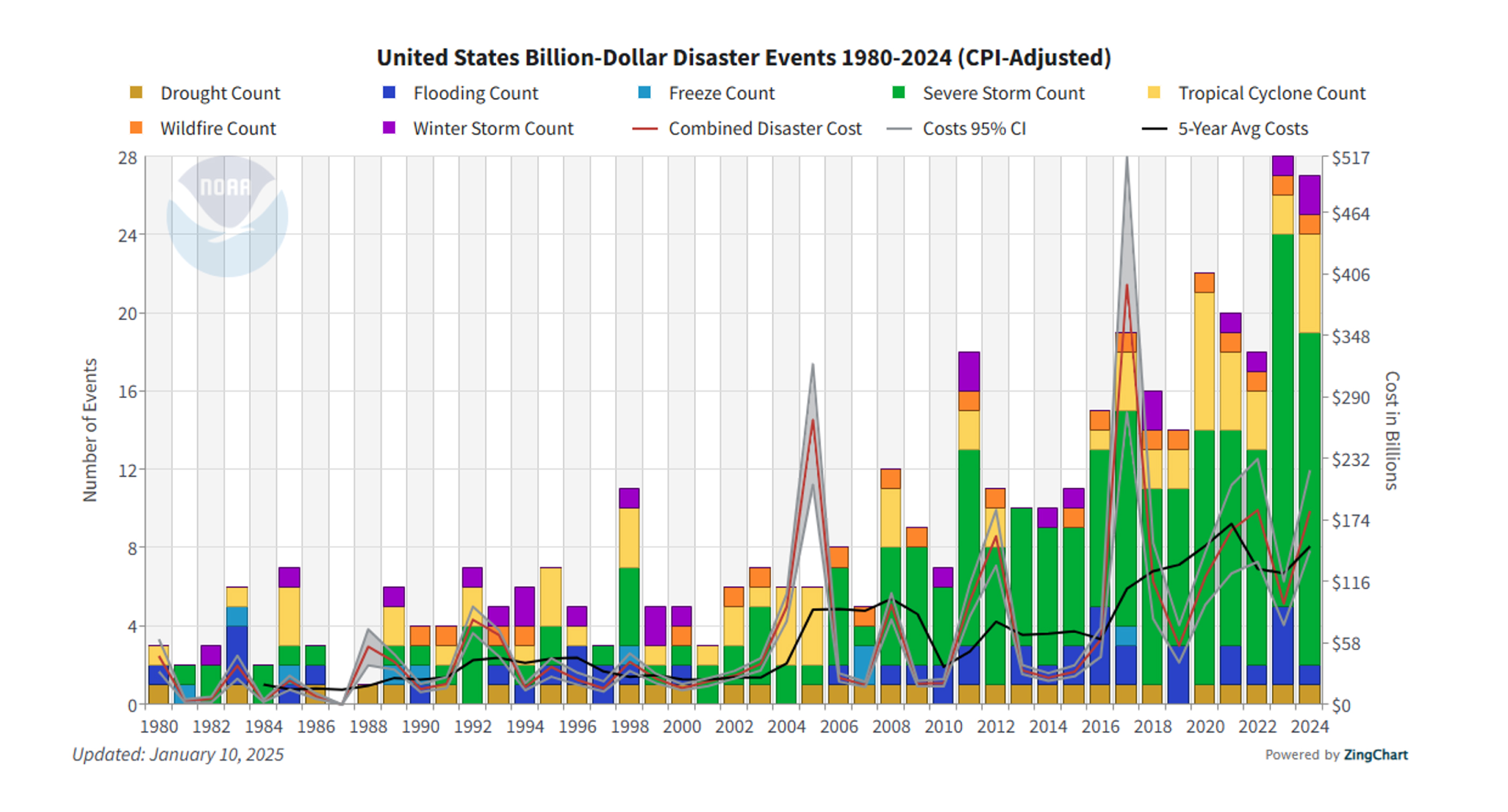
Source: https://www.ncei.noaa.gov/access/billions/state-summary/US
Traditionally, utilities have responded to peak demand by running fossil fuel “peaker plants.” These plants are expensive to operate and produce higher emissions. By tapping into energy already stored in homes, virtual power plants help reduce peak demand and support the grid without building new power plants.
How homeowners get paid for participating
Compensation for virtual power plant participation varies by utility and region, but many programs reward homeowners based on how and when they support the grid. Incentives may include bill credits, enrollment payments, or performance-based earnings tied to energy delivered during grid events.
Below are examples that illustrate the different ways homeowners can earn value from virtual power plant programs.
Northeast (Massachusetts and nearby states) – bring your own battery
ConnectedSolutions allows homeowners to enroll qualifying batteries after installation. Battery owners can earn an average of $1,500 per year, based on performance during peak demand events. Participation requires granting utilities limited control of enrolled devices during events.
California – upfront rebates plus ongoing incentives
Some California programs offer substantial upfront rebates that lower the cost of installing a home battery, along with performance payments when batteries support the grid during weekday peak hours (typically between 4 p.m. and 9 p.m.). Incentives vary based on system size, customer type, and energy discharged during events.
Vermont – Bring Your Own Device (BYOD)
Green Mountain Power offers a BYOD program that provides rebates of up to $10,500 for sharing stored energy during peak demand periods. Homeowners choose their battery system and how much energy to contribute while maintaining backup power.
How to find a Virtual Power Plant program near you
If you want to participate in a virtual power plant, the first step is to figure out whether there’s a program available where you live. VPP and grid services programs are offered by local utilities and energy providers and vary by region.
Here’s how to check:
- Check your utility’s programs: Many utilities publish residential grid services or demand response program details on their websites.
- Visit your state energy office or public utility commission: These organizations often list incentive programs for battery storage and grid services.
- Use the Enphase App: Homeowners with Enphase systems may be able to view available Virtual Power Plants or grid services programs and sign up directly through the Enphase App.
How Enphase supports grid participation
Participation depends in part on the technology that supports your home energy system. Some homeowners participate using Enphase Energy Systems, which combine solar, battery storage, and energy management software. Enphase batteries are designed to support frequent cycling and grid interaction and Enphase Grid Services programs help connect homeowners with participating utilities where available.
Eligible homeowners can view available programs and sign up directly in the Enphase App. The app also sends notifications about enrollment opportunities and upcoming events.
Participation is optional, and reversible
Joining a virtual power plant is not a permanent commitment. Most programs allow you to opt out of individual events, adjust participation settings, or leave the program if your needs change.
This flexibility reflects guidance from the Federal Energy Regulatory Commission, which emphasizes voluntary participation for distributed energy resources.
Who should consider joining
A virtual power plant may be a good fit if you have battery capacity beyond basic backup needs, experience relatively stable grid conditions, and want to earn additional value from your energy system.
You may want to think twice if your battery supports critical medical equipment, you experience frequent or prolonged outages, or your battery is sized only for essential loads.
The bigger picture
With about 30 GW of capacity already enrolled, the U.S. Department of Energy projects that virtual power plants could scale to many tens of gigawatts by 2030, representing a meaningful share of U.S. peak electricity demand. For homeowners, that means your battery can do more than wait for the next outage. It can support your community—on your terms.
Virtual power plants aren’t about giving up control. They’re about using your home energy system more intelligently.
Frequently asked questions
In some locations, yes—but it’s uncommon. Most virtual power plant programs focus on solar-plus-storage systems, since utilities typically want locally generated, clean energy. Battery-only participation is usually limited to specific regions or pilot programs and often still requires existing solar.
Virtual power plant events are designed to use only a portion of your available stored energy. Most programs also allow you to set minimum reserve levels to protect backup power for outages.
This varies by region, but many programs limit events to a few dozen hours per year, typically during peak demand seasons such as summer or winter extremes.
They can. By reducing peak demand and supplying power locally, virtual power plants can help stabilize the grid and lower the risk of outages during extreme conditions.
In some cases, yes. Homeowners may earn incentives, bill credits, or payments for exporting stored energy or reducing grid demand during virtual power plant events. Compensation depends on the utility program and local regulations.
Virtual power plants generate value by providing utilities with flexible energy capacity during peak demand periods. Utilities may pay for this capacity to avoid running costly peaker plants or to maintain grid reliability, and a portion of that value is passed on to participating homeowners.